

How to replace a door yourself?
Tired of squeaky, drafty doors that stick? Replacing an interior door costs $50-$150 DIY versus $200-$500 hired out, and can be completed in 2-4 hours with basic tools. As someone who's installed 300+ doors in renovation projects, I'll show you how to avoid the 5 most common mistakes homeowners make.
The easiest replacement uses pre-hung doors ($80-$250), where the frame comes assembled. For slab doors ($40-$120), you'll transfer hinges from the old door—this requires precise measurements but saves 30-40% in material costs.
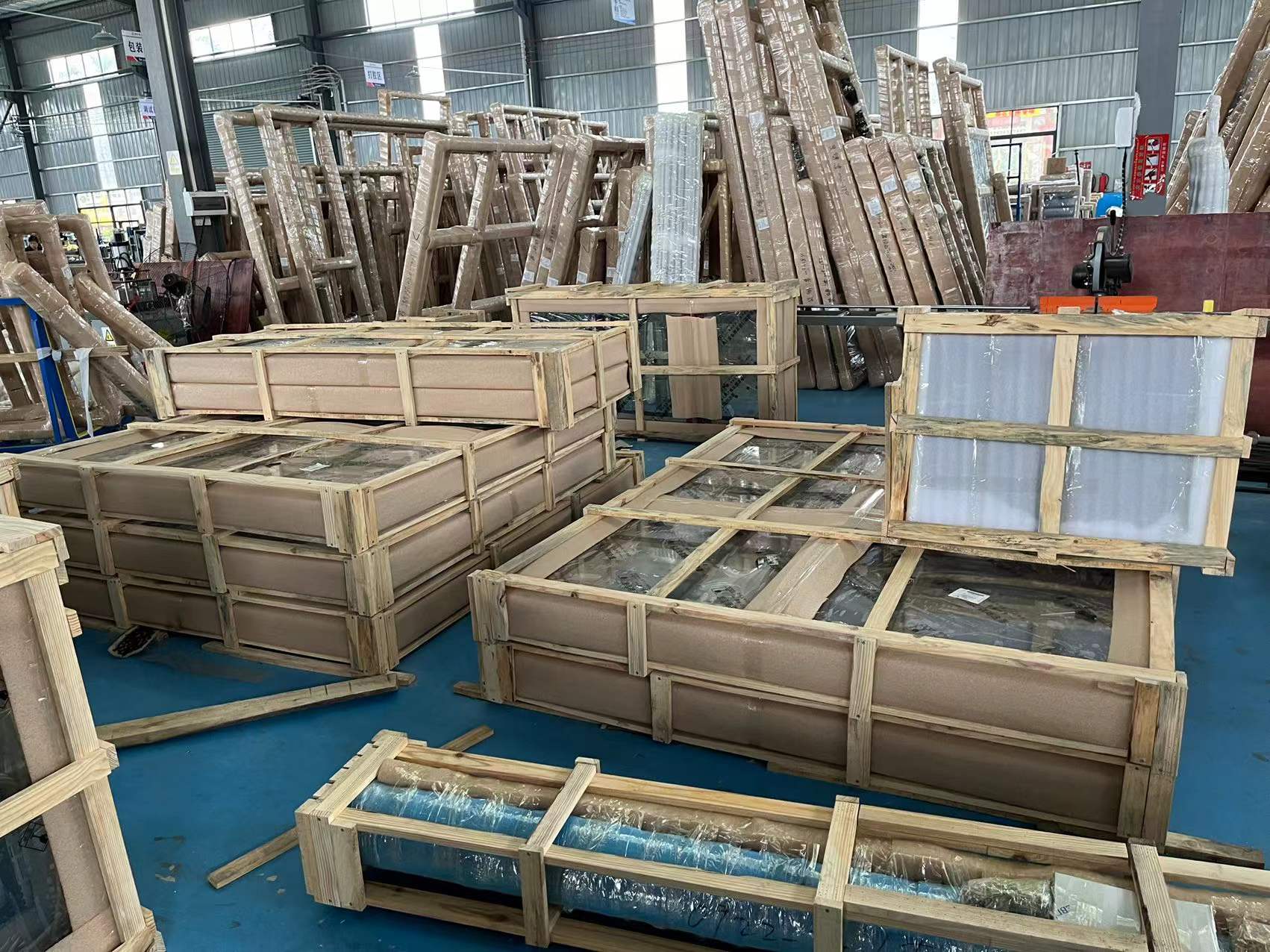
Follow this step-by-step process:
What tools do you need?
Gather these essentials before starting:
Door Replacement Toolkit
| Tool | Purpose | Alternatives |
|---|---|---|
| Tape Measure | Verify door size | Yardstick + marking gauge |
| Utility Knife | Remove old caulk/trim | Putty knife |
| Pry Bar | Remove door stops | Flathead screwdriver |
| Shims | Level/precision gaps | Wood scraps |
| Cordless Drill | Hinge screws | Manual screwdriver |
| Circular Saw | Trim door slab (if needed) | Handsaw |
| Chisel | Set hinges/jamb depth | Utility knife |
Pro substitutes:
- Paint can opener works for removing trim
- Credit card as a gap gauge (1/8" ideal)
- Clamps can hold door steady during adjustments
- Rubber mallet protects surfaces during fitting
How to remove the old door?
Follow this sequence to prevent damage:
Removal Steps
- Remove door stops carefully with pry bar (save for reuse)
- Unscrew hinges from jamb starting with bottom hinge
- Extract hinge pins if reusing hinges (hammer + nail trick)
- Cut paint/caulk seals around frame with utility knife
- Check for hidden screws at latch/lock areas
- Pull entire unit out or disassemble piece-by-piece
Critical checks:
- Electrical wires may run through sidelights
- Structural header above door must remain intact
- Subfloor condition affects threshold height
- Plumbing stacks sometimes hidden behind walls
- Load-bearing walls require temporary support
How to install a pre-hung door?
New units simplify alignment:
Installation Sequence
- Dry-fit door in opening (confirm square/plumb)
- Shim hinge side every 12" moving upward
- Screw frame through shims into studs
- Check operation before final tightening
- Insulate gaps with low-expansion foam
- Reinstall trim with finishing nails
Adjustment tips:
- 1/8" clearance at top/sides is ideal
- 3/16" gap at bottom for carpet/rugs
- Plumb bob ensures perfect vertical alignment
- Rubber bands can hold unlatched door in position
- Wax candle smoothes sticky hinge points
How to fit a replacement slab door?
Transferring hardware requires precision:
Slab Door Conversion
| Step | Measurement | Tool | Tolerance |
|---|---|---|---|
| Hinge Mortising | Existing hinge depth | Chisel | ±1/32" |
| Bore for Knob | Backset measurement | Hole saw | Exact |
| Top/Bottom Trim | Door height - 1/8" | Saw | ±1/16" |
| Edge Sanding | Swing clearance | Planer | Feather only |
Common pitfalls:
- Routed too deep→ Pack hinges with cardboard
- Misaligned striker→ File latch plate holes larger
- Binding at top→ Plane/sand upper edge slightly
- Door won't stay open→ Adjust hinge tension
- Weatherstrip bulge→ Recess groove deeper
What finishing touches matter?
Final details ensure longevity:
Post-Installation Checklist
- Seal all edges with paintable silicone
- Touch-up paint on screw heads/scuffs
- Adjust closer (if applicable) to proper speed
- Test hardware 50+ open/close cycles
- Verify weatherstripping creates complete seal
Specialty products:
- Hinge pin sleeves eliminate wobble
- Automatic door bottoms improve insulation
- Soft-close buffers prevent slamming
- Swing clear hinges gain 3" clearance
- Draft snake blocks residual air leaks
Door replacement transforms a home's functionality when done correctly. I always recommend prehung units for first-timers—the extra $50-$75 eliminates hinge-fitting frustrations. For historic homes, consider routing new hinge mortises slightly undersized (1/64" shallower) to account for wood compression over decades. Keep original trim intact by scoring paint lines with a utility knife before removal. Most importantly, work incrementally—better to make five 1/16" adjustments than one aggressive cut that ruins the door. With proper planning, even complete novices can achieve professional-looking results that last 20+ years.
