

How to Choose the Right Aluminum Windows for Your Project in 2026?
Are you overwhelmed by window choices for your next project? Making the wrong decision now leads to bigger problems later. I want to help you make smart choices.
Choosing the right aluminum windows in 2026 involves assessing your project's specific needs, evaluating window types for aesthetic and function, and prioritizing performance metrics like thermal efficiency and security. Considering installation methods and long-term value ensures a successful and sustainable investment.
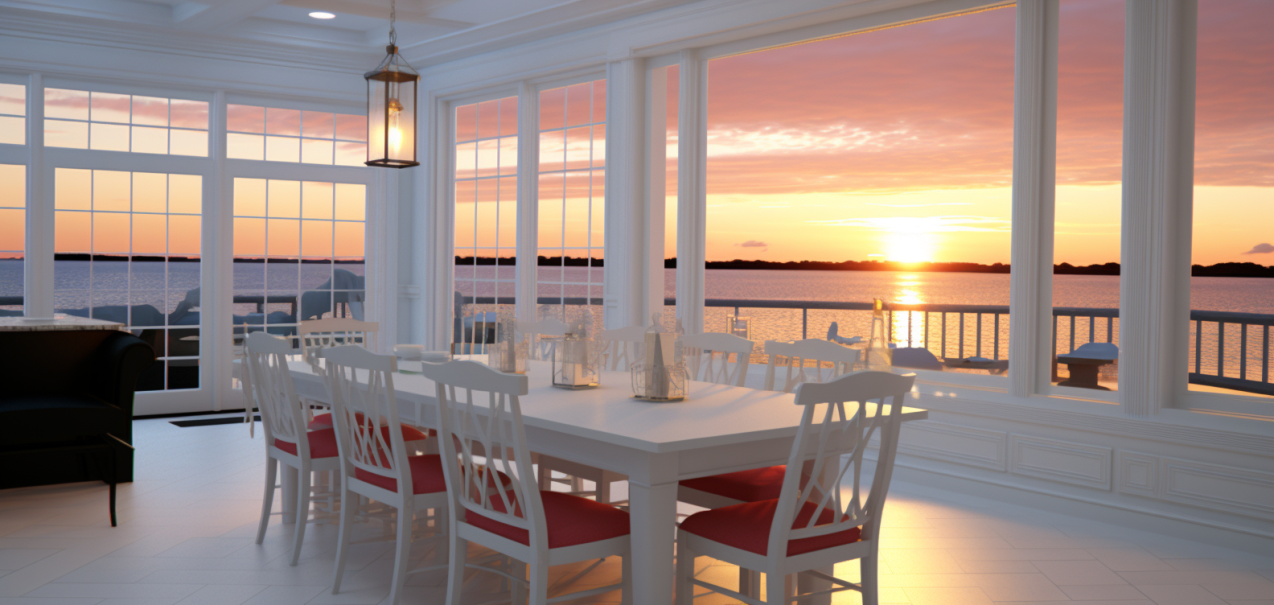
Choosing windows is a huge part of any construction project, I learned this through many experiences. Just like choosing the right material for a mold, picking the best windows means thinking about many factors. You want them to look good, work well, and last a long time. This guide helps you navigate all the options and decide what works best for you.
Understanding Your Project Needs: What Kind of Project Do You Have in Mind?
Worry about choosing the wrong windows? Bad choices waste money and cause headaches. I know getting this step right means big savings in the future.
Identifying your project's core purpose, whether it is residential, commercial, or specialized, guides window material choice. This defines required aesthetics, performance standards like thermal insulation or security, and the overall budget for your aluminum windows.
In my business journey, I saw how much careful planning saved. The type of building you are working on truly sets the stage for window selection. Is it a cozy home, a busy office block, or a specialized industrial facility? Each project has its own demands. A house needs comfort, security, and good looks. A commercial building probably needs heavy-duty performance and sleek modern aesthetics. An industrial place might need extreme durability. This foundational understanding influences every decision that comes after it, especially regarding things like energy use. I always encouraged clients to think long-term about costs, and window choices have a big impact there. Knowing your project helps narrow down all the many choices. It makes the rest of the selection process much clearer for everyone involved.
Project Types and Their Specific Window Demands
| Project Type | Key Priorities for Windows | Specific Aluminum Window Features Often Needed |
|---|---|---|
| Residential | Energy efficiency, aesthetics, security, comfort, noise reduction. | Thermal break frames, double/triple glazing, various colors, robust locking. |
| Commercial | Durability, low maintenance, large glazing areas, consistent look, fire resistance (if applicable). | Heavy-duty frames, larger panels, specific tinting, commercial-grade hardware. |
| Industrial/Specialized | Extreme durability, weather resistance, safety, specific functionality. | High-strength alloys, specialized coatings, ventilation options, impact resistance. |
| Renovation/Heritage | Aesthetics matching existing structure, specific frame profiles, material compatibility. | Slim profiles, custom colors, period-appropriate hardware, historical approvals. |
Also, where is your project located? A window for a sunny, calm area differs greatly from one in a windy, rainy coastal region. Canadian winters demand very high insulation, for example. What do you want your windows to look like? Modern, classic, industrial? This look plays a big part too. Finally, what is your budget? Aluminum windows come in a wide range, from very cost-effective to high-end custom designs. I believe in getting the best value, and sometimes spending a little more upfront means saving a lot later through better energy efficiency or less maintenance. Getting clear on these project needs early will guide you perfectly to the right aluminum windows, just as much as a good mold design starts with understanding the part's function.
Evaluating Aluminum Window Types and Features: Which Design Suits Your Building Best?
Too many window options can make choosing hard. Picking the wrong style wastes money and can even ruin a building's look. I faced these choices too.
Consider window operation types like casement, sliding, or tilt-and-turn, alongside frame profiles such as slimline or thermal break. Each offers different aesthetic, ventilation, and performance benefits that align with specific architectural designs and user needs for your project.
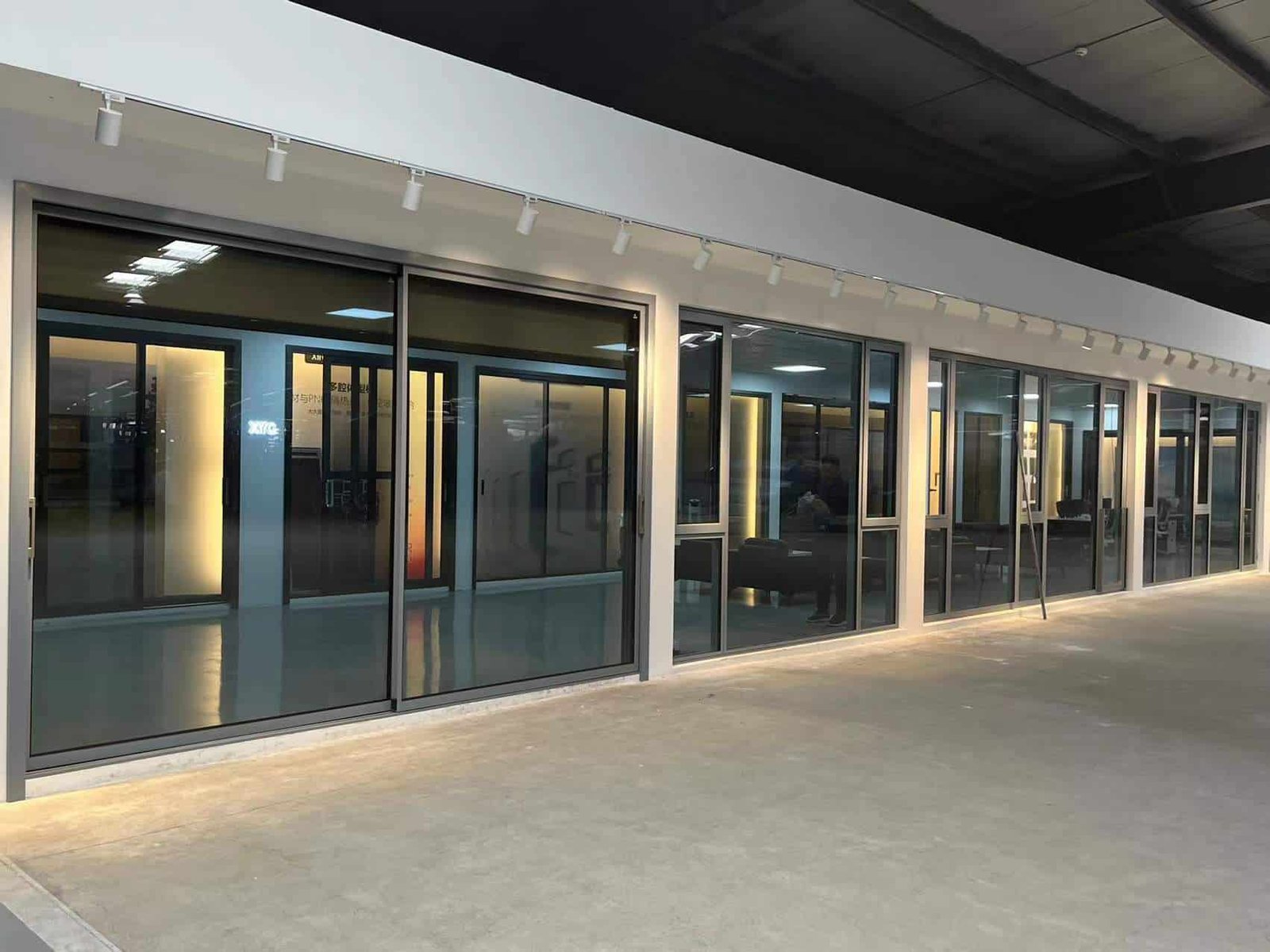
When I was growing my trading company, the array of product options was vast. Windows are just like this. The specific way a window opens and how its frame looks really changes how a building feels and works. Do you want windows that crank open for excellent ventilation, like casement windows? Or perhaps something that slides easily side-to-side, saving interior space? Maybe tilt-and-turn windows are better; they offer ventilation while also tilting open for cleaning or security. The functional aspect is one thing, but also consider how these types blend with your overall architectural vision. For me, choosing the right design always meant considering both practicality and visual appeal. You can choose different kinds for different parts of a building. I have found this custom approach works best.
Common Aluminum Window Operating Types and Their Features
| Operating Type | Description | Key Benefits | Ideal Applications |
|---|---|---|---|
| Casement Windows | Hinge at side, crank open outward like a door. | Excellent ventilation, good seal, energy efficient. | Homes, offices, areas needing maximum airflow. |
| Sliding Windows | Panels slide horizontally past each other. | Space-saving, simple operation, wide views. | Larger openings, spaces with limited swing room. |
| Tilt-and-Turn | Tilt inwards at top for ventilation or swing open fully. | Versatile ventilation, secure, easy cleaning. | Modern homes, apartments, European designs. |
| Fixed Windows | Non-operable, simply a pane of glass in a frame. | Maximum natural light, airtight, excellent views. | Picture windows, light sources in commercial buildings. |
| Awning Windows | Hinge at top, open outward from the bottom. | Ventilation even in rain, good security, good seals. | Basements, bathrooms, above other windows. |
Beyond how they open, the window frame itself is crucial. Aluminum frames come in different "profiles." You can get very slim profiles for a sleek, modern look that maximizes glass area. These thin frames give you great views. There are also frames with "thermal breaks." These are essential for colder climates, like in Canada where Jacky is. A thermal break separates the inner and outer aluminum frames with a non-conductive material. This stops heat from easily transferring from inside to outside, or cold from coming in. This detail makes a massive difference in energy efficiency and comfort inside your building. Choosing the right profile makes your project energy-smart and look great for a long time. It shows careful thinking about every part, much like optimizing a mold design for the best outcome.
Considering Performance Metrics and Standards: How Do You Ensure Quality and Efficiency?
Unsure about confusing technical terms? Ignoring key metrics costs you later in energy and comfort. I learned these numbers mean real value for any project.
Key performance metrics for aluminum windows include U-value (thermal insulation), SHGC (solar heat gain), STC rating (sound insulation), and air infiltration rates. Adhering to relevant industry standards ensures compliance, efficiency, and comfort for the building occupants.
In my past work, I focused heavily on precision and meeting specifications. With windows, this is just as important. These technical terms might seem like jargon, but they tell you exactly how well a window will perform in the real world. For example, "U-value" measures how much heat escapes through a window. A lower U-value means better insulation, which means less money spent on heating in winter, or cooling in summer. This directly affects your electricity bills, a point I always brought up with my clients. "SHGC," or Solar Heat Gain Coefficient, tells you how much heat from sunlight the window lets into the building. In hot climates, you want a low SHGC to keep cool. In cold places, a higher SHGC can help with passive heating. Understanding these helps you choose the right window for your local climate conditions, making it an educated decision.
Essential Performance Metrics for Aluminum Windows
| Metric | What It Measures | Importance to Your Project | Target Value for Efficiency |
|---|---|---|---|
| U-value | Rate of heat transfer (heat loss/gain) through the window. | Lower value means better insulation, lower energy bills. | Lower is better (e.g., 0.30 or less) |
| SHGC | Solar heat gain through the window from sunlight. | Balances passive solar heating/cooling needs. | Low for hot climates, moderate for cold. |
| VT (Visible Transmittance) | Amount of visible light that passes through the glass. | Impacts natural light, interior brightness. | Higher is better for more light. |
| STC Rating | Sound Transmission Class – resistance to noise transmission. | Important for noise reduction, especially in urban areas. | Higher is better (e.g., 30+) |
| Air Infiltration | Amount of air leaking through the window's seals. | Affects draftiness and energy efficiency. | Lower is better. |
| Water Resistance | Ability to resist water penetration during rain. | Prevents leaks and water damage. | Higher rating is better. |
Another factor is the STC rating. This measures how well a window blocks sound. If your project is near a busy street or an airport, a higher STC rating means more peace and quiet inside. This directly improves comfort for occupants. Air infiltration is about how much air leaks around the seals of the window. Good sealing means no drafts and better insulation. Many regions, including Canada, have strict energy efficiency standards. Choosing windows that meet or exceed these standards ensures compliance and secures long-term benefits like reduced operating costs and improved occupant satisfaction. It truly comes down to getting what you pay for in terms of comfort, cost savings, and quality. I learned to look at these details and explain them simply to my clients, helping them invest wisely for solid financial outcomes. This thorough understanding is what makes a project succeed without regret.
Assessing Installation, Finish, and Long-Term Value: How Do You Secure Your Investment?
Thinking only about the upfront cost? Overlooking a quality finish and expert installation costs you much more later. I know proper setup saves you big money and trouble.
Proper installation, alongside a durable finish like powder coating or anodizing, significantly impacts the longevity and performance of aluminum windows. These choices ensure optimal sealing, weather resistance, and reduced maintenance, maximizing the return on your project's investment over time.
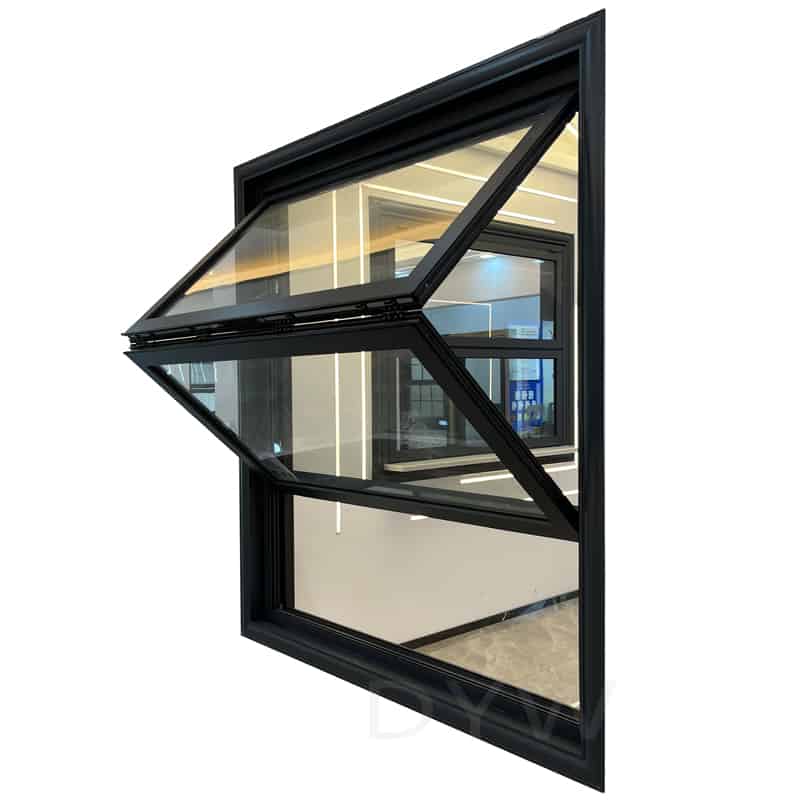
My own financial independence came from thinking long-term about every investment. With windows, installation quality is often as important as the window itself. A poorly installed high-quality window will leak, draft, and perform badly. That is money wasted. Hiring experienced professionals to install your windows is non-negotiable. They understand the intricacies of proper sealing, leveling, and structural integration. This expertise ensures your windows function correctly from day one, giving you all the benefits they promised. It also avoids costly reworks or repairs down the line. I saw clients try to cut costs by hiring unqualified installers, only to pay double or triple later. This taught me a clear lesson: do it right the first time.
Final Considerations for Your Aluminum Window Investment
| Aspect | Detail | Impact on Project Longevity and Value | Recommendation |
|---|---|---|---|
| Installation Quality | Correct sealing, leveling, insulation around frame, flashing. | Prevents drafts, leaks, ensures optimal thermal performance. | Always use certified, experienced installers. |
| Frame Finish | Powder coating, anodizing (color, durability). | Affects aesthetic life, corrosion resistance, maintenance needs. | Choose durable, weather-appropriate finish. |
| Glass Type | Low-E coatings, argon gas fill, laminated, tempered. | Influences U-value, SHGC, soundproofing, safety. | Match glass type to performance needs. |
| Hardware Durability | Locks, hinges, handles (material, strength). | Ensures long-term operation, security, user experience. | Select robust, corrosion-resistant hardware. |
| Warranty | Length and coverage for frame, glass, and labor. | Protects your investment against defects and failures. | Look for comprehensive warranties from reputable manufacturers. |
| Maintenance Needs | How often to clean, inspect seals, lubrication for moving parts. | Determines ongoing cost and effort to keep windows optimal. | Opt for low-maintenance options where possible. |
The finish on your aluminum frames also adds value. Powder coating provides a vast array of colors and is very durable, resisting scratches and fading. Anodizing gives a harder finish, excellent for high-traffic or harsh environments. This choice impacts both the aesthetics and the window's resistance to corrosion and wear over decades. Don't forget about warranties. A strong warranty tells you a manufacturer believes in their product. This means protection for your investment against potential defects. Finally, think about simple maintenance. Quality aluminum windows generally require little upkeep—just regular cleaning. This reduced long-term maintenance costs also adds to their value, freeing up your resources. My journey was all about optimizing for long-term gains, and these steps ensure your aluminum window investment shines for the long haul, adding true value to your project.
To choose aluminum windows for 2026, define project needs, select appropriate types and designs, verify performance metrics, and ensure expert installation for lasting value.
