1. Limited Privacy
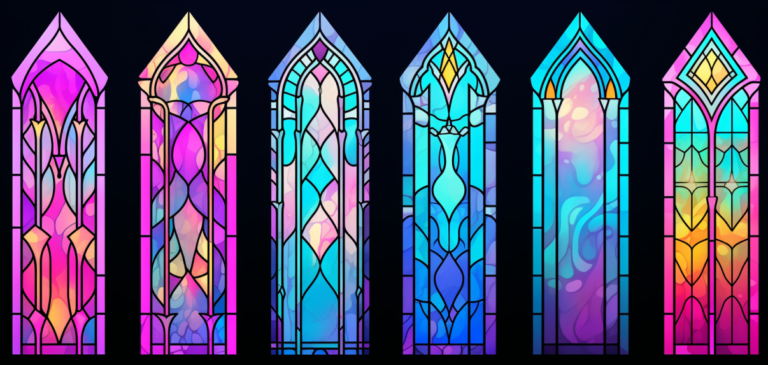
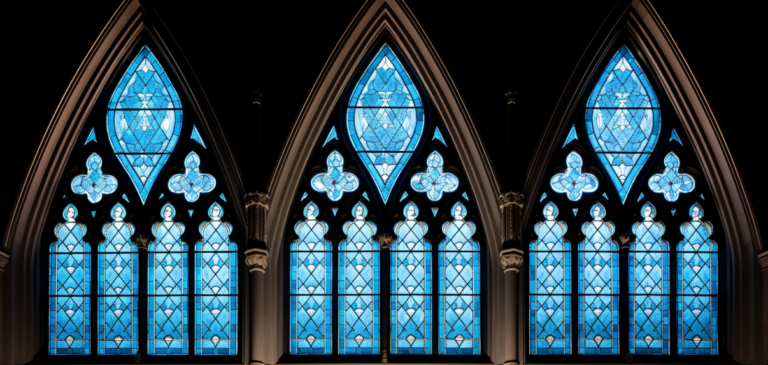
Stained glass windows are often praised for their intricate and colorful designs, but these very qualities can be a drawback when it comes to privacy. Unlike regular windows with curtains or blinds, stained glass windows don’t offer the same level of privacy. The vibrant colors and patterns may allow outsiders to see inside your home, which is not ideal, especially in areas where privacy is a concern.
2. High Maintenance
Maintaining stained glass windows is a demanding task. They require regular cleaning and upkeep to preserve their beauty. The crevices in the stained glass can accumulate dirt and grime, making cleaning a tedious process. Additionally, the lead caming, which holds the glass pieces together, can weaken over time, leading to potential structural issues.
3. Fading Colors
Over time, the colors in stained glass windows can fade due to exposure to sunlight. While this can be an issue with any type of window, it is more pronounced with stained glass because of the vivid pigments used in the glass. The fading of colors can diminish the beauty and appeal of these windows.
4. Expense
Stained glass windows are notably more expensive than regular windows. The manufacturing process is labor-intensive, as each piece of glass must be individually crafted, painted, and assembled. This makes stained glass windows a luxury item that may not fit every budget.
5. Limited Design Flexibility
Stained glass windows are known for their artistic designs, but these designs may not always align with your interior decor. They can limit your design choices for furniture, wall colors, and other elements within your home. Unlike regular windows, which are more versatile and can easily match different design styles, stained glass windows often dictate a particular theme.
6. Reduced Energy Efficiency
Stained glass windows are generally less energy-efficient than modern, double-glazed windows. The single pane of glass, often thinner than regular window panes, allows for more heat transfer, making it harder to regulate the temperature inside your home. This can result in higher energy bills, as your heating and cooling systems will have to work harder to maintain a comfortable environment.
7. Structural Integrity
The structural integrity of stained glass windows can be a concern, especially in older homes. As mentioned earlier, the lead caming can deteriorate over time, and the glass pieces may become loose. This not only affects the appearance but can also pose safety risks. Regular windows are designed with durability and safety in mind, using materials like tempered glass.
8. Limited Natural Light
Stained glass windows can reduce the amount of natural light that enters your home. The intricate designs and opaque colors can obstruct sunlight, making your living spaces darker. This can be a significant drawback if you prefer well-lit interiors or if you have limited natural light sources in your home.
9. Resale Value
When it comes to selling your home, stained glass windows may not be as appealing to potential buyers as traditional windows. Their specific design and aesthetic may not align with the preferences of the majority of buyers. This can make it harder to sell your home and could potentially affect its resale value.
10. Lack of Versatility
Stained glass windows are a long-term commitment. Once installed, they are not easily interchangeable like regular windows. If you decide to change the design or replace them with regular windows, it can be an expensive and time-consuming process.