1. Drafts and Air Leaks
One of the clearest signs that your windows need to be replaced is when you feel drafts of cold or hot air coming through. Windows should provide an airtight barrier between the interior of your home and the outdoor environment. However, as windows age, the seals can deteriorate, allowing air to seep through gaps. This not only leads to discomfort but also results in higher energy costs.
To test if your windows are leaking air, try standing near them on a windy day. If you feel a noticeable breeze even when the windows are closed, it’s a sign they are not performing as they should. You can also try the candle test—light a candle and move it around the edges of the window. If the flame flickers, there’s likely an air leak.
Why Replace?
- Increased energy costs
- Uncomfortable indoor temperatures
- Difficulty in maintaining consistent indoor climate
New, energy-efficient windows will eliminate drafts and significantly reduce heating and cooling costs. Modern windows often feature multiple panes, improved seals, and insulating gas fills, making them much better at keeping your home comfortable.
2. Difficulty Opening and Closing
Windows that stick or are difficult to open and close are not just an inconvenience but a sign that they’re wearing out. Windows should operate smoothly without much effort. Over time, window frames can warp, and the balance mechanism (for sliding or sash windows) can deteriorate, making operation cumbersome.
Old wooden windows can swell or shrink due to moisture, causing them to stick. Metal windows, on the other hand, can rust, making them hard to move. When windows become difficult to open or close, they can also pose a safety risk, especially in an emergency where you need a quick exit.
Why Replace?
- Improved functionality and ease of use
- Enhanced safety during emergencies
- Reduced frustration from everyday operation
Installing new windows will ensure that they open and close smoothly, providing both convenience and peace of mind. Modern windows are designed with better hardware, offering improved performance and longevity.
3. Condensation Between Glass Panes
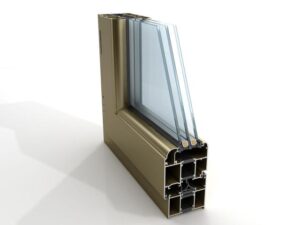
Condensation on the inside of windows can be a normal occurrence in humid climates or during temperature fluctuations, but condensation between the panes of glass is a serious issue. Double- or triple-pane windows are designed to provide insulation by having a sealed space filled with gas (usually argon) between the panes. When the seal fails, moisture can enter the space, resulting in fogging or condensation that can’t be wiped away.
This not only ruins the clarity of the window but also indicates that the window has lost its insulating gas, making it much less effective at keeping heat in during winter and out during summer.
Why Replace?
- Reduced energy efficiency
- Compromised window seal
- Decreased aesthetic appeal
Replacing windows with broken seals will restore their insulation and clarity. Today’s windows are built with advanced technology that ensures longer-lasting seals, which keeps moisture out and helps maintain energy efficiency.
4. Visible Damage or Decay
Windows that show signs of visible damage, decay, or rot are an obvious sign they need replacing. Wooden window frames are particularly prone to decay when exposed to moisture, but even vinyl and aluminum frames can degrade over time due to environmental factors like sun exposure, rain, and fluctuating temperatures.
Rotting wood can cause gaps in the frame, compromising the window’s structural integrity and allowing pests, moisture, and cold air to enter. Cracked or broken glass not only reduces the window’s insulation properties but also poses a safety risk.
Why Replace?
- Prevent water damage and mold growth
- Avoid pest infestations
- Ensure the structural integrity of your home
Replacing windows that are visibly damaged will not only improve your home’s appearance but also prevent further damage to your walls, insulation, and interior spaces. New windows made from durable materials like vinyl or fiberglass are resistant to rot, insects, and warping.
5. Noise Pollution
If you live in a noisy area—near a busy street, airport, or school—you’ve likely experienced the frustration of loud sounds penetrating your home. While windows are not typically the first thing homeowners think of when dealing with noise pollution, they play a huge role in keeping outside sounds out.
Old single-pane windows or windows with failing seals offer little sound insulation. Modern windows, especially those with double- or triple-pane glass and insulating gas fills, are designed to block out noise effectively. If you find that your home is no longer the quiet refuge it once was, it may be time to upgrade.
Why Replace?
- Increased indoor comfort
- Reduced stress from noise pollution
- Improved quality of life
New soundproof or sound-reducing windows can dramatically decrease the amount of outside noise that enters your home, making it a more peaceful and pleasant environment.
6. High Energy Bills
Rising energy bills are often a sign that your windows are no longer providing the insulation your home needs. Old, inefficient windows allow conditioned air to escape and outside air to infiltrate, causing your heating or cooling system to work harder to maintain a comfortable temperature. This leads to a significant increase in energy usage, reflected in your monthly bills.
Energy-efficient windows can reduce energy loss by up to 30%. They feature double- or triple-pane glass, low-emissivity (Low-E) coatings, and insulating gas between the panes, which all help to regulate indoor temperatures and lower your energy costs.
Why Replace?
- Lower energy costs
- Improved home comfort
- Reduced strain on your HVAC system
If you’ve noticed your energy bills steadily increasing, even though you haven’t made any major changes in your energy consumption, your windows could be the culprit. Replacing them with energy-efficient options will save you money in the long run.
7. Outdated Aesthetic or Design
Sometimes, the need to replace windows isn’t about functionality but about design. Windows play a key role in the overall aesthetic of your home, both inside and out. Outdated window styles can make your home look tired or out of place, especially if you’ve renovated other areas of your home but haven’t updated the windows.
Modern windows come in a wide variety of styles, materials, and finishes, allowing you to enhance your home’s appearance and curb appeal. Whether you want to add more natural light, improve your view, or simply update the look of your home, new windows can make a big difference.
Why Replace?
- Enhance your home’s appearance
- Increase property value
- Improve natural light and views
Updating your windows is an investment in your home’s visual appeal and can even make it more attractive to potential buyers if you plan to sell.