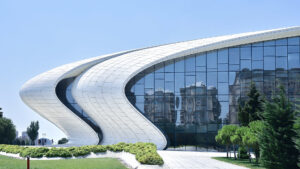
The History of Curtain Walls
The concept of curtain walls dates back to medieval times when exterior walls were constructed separately from the actual load-bearing structures of castles and fortresses. However, modern curtain walls came into prominence during the 19th century with advancements in building materials such as steel and glass.
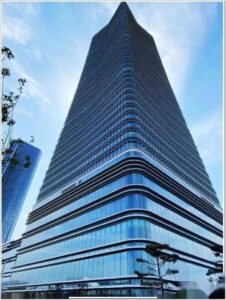
One of the earliest curtain walls was constructed in 1918 for the Hallidie Building in San Francisco. Since then, curtain wall systems have been widely adopted in commercial buildings, particularly high-rise skyscrapers, due to their ability to create expansive glass facades.
Types of Curtain Wall Systems
Curtain walls are generally categorized into two main types based on their construction method and installation process: stick systems and unitized systems.
1. Stick Systems
In stick systems, the components of the curtain wall, such as mullions (vertical elements) and transoms (horizontal elements), are installed piece by piece on-site. The glass or panel infill is installed afterward, making this method highly labor-intensive. Stick systems offer flexibility in design and are usually more economical for smaller projects or buildings with more complex architectural designs. However, the installation process can be time-consuming and weather-dependent since it requires significant on-site labor.
Advantages of Stick Systems:
- Cost-effective for smaller projects
- Flexible design
- Suitable for complex architectural designs
Disadvantages of Stick Systems:
- Longer installation time
- Higher labor costs due to on-site assembly
- More susceptible to environmental conditions during installation
2. Unitized Systems
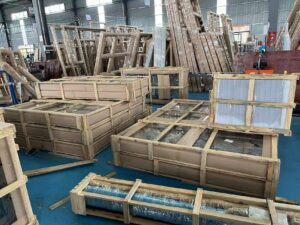
Unitized curtain wall systems, on the other hand, are pre-fabricated in a factory and arrive on-site as complete units. These units typically consist of large sections of curtain walls, including the glass or panel infill, which are pre-assembled. The installation process is quicker and less reliant on on-site labor, making unitized systems ideal for larger projects, such as high-rise buildings.
Advantages of Unitized Systems:
- Faster installation, reducing project timelines
- Higher quality control since manufacturing takes place in a controlled environment
- Less dependent on weather conditions
- Ideal for large-scale projects and high-rise buildings
Disadvantages of Unitized Systems:
- Higher initial cost compared to stick systems
- Less flexibility in design once units are manufactured
- Requires advanced planning and precise measurements during design
Key Components of a Curtain Wall
To fully understand the structure of a curtain wall, it’s essential to explore its main components. Each component plays a critical role in ensuring the curtain wall functions effectively and meets performance standards:
1. Mullions
Mullions are the vertical elements that support the weight of the curtain wall system. They are attached to the building’s frame and serve as the primary structural support for the infill materials such as glass or panels.
2. Transoms
Transoms are the horizontal elements that intersect with the mullions. They help distribute the load across the system and provide additional structural support for the infill materials.
3. Glass or Panel Infill
The infill is the material placed between the mullions and transoms. The most common infill material is glass, but metal panels, stone, or even terracotta can also be used, depending on the design and requirements of the building.
4. Gaskets and Sealants
Gaskets and sealants are used to create weatherproofing between the curtain wall’s joints. They prevent water, air, and sound from penetrating the building while allowing for thermal expansion and contraction of the materials.
5. Anchors
Anchors are crucial for attaching the curtain wall to the building’s main structure. They ensure that the entire system is secure and able to withstand external forces such as wind loads.
Materials Used in Curtain Walls
Curtain walls can be made from various materials, each offering distinct advantages depending on the building’s design and environmental conditions. Common materials include:
1. Glass
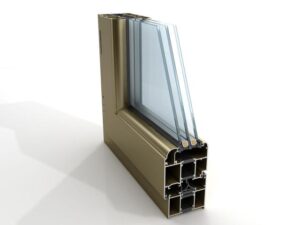
Glass is the most popular material used in curtain walls, providing a sleek, modern appearance that allows for natural light to enter the building. Various types of glass can be used, including tempered, laminated, or insulated glass units (IGUs). IGUs are particularly useful in enhancing a building’s energy efficiency by reducing heat transfer.
2. Aluminum
Aluminum is often used for the frames of curtain walls due to its lightweight, corrosion-resistant, and durable nature. It can be easily shaped and molded into various profiles, making it an excellent choice for modern architectural designs. Additionally, aluminum is highly recyclable, making it a sustainable option.
3. Steel
Steel provides greater strength than aluminum and is often used in projects requiring more robust structural support. Steel curtain walls are ideal for buildings in high-wind zones or seismic regions, where additional strength is necessary.
4. Stone, Terracotta, and Other Panels
In some cases, curtain walls may feature stone, terracotta, or composite panels as infill materials instead of glass. These materials offer a more traditional or natural appearance and can provide better insulation or acoustical benefits, depending on the design.
Benefits of Curtain Walls
Curtain walls offer a range of benefits, making them a popular choice for both commercial and residential buildings. Some of the key advantages include:
1. Aesthetic Appeal
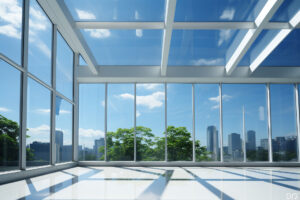
Curtain walls provide a sleek, modern appearance that enhances the overall aesthetic of a building. With glass as the primary infill material, they offer unobstructed views and allow for natural light to flood the interior spaces, creating a sense of openness.
2. Energy Efficiency
Curtain walls play a significant role in improving a building’s energy efficiency. High-performance glass and insulation materials can minimize heat transfer, reducing the building’s heating and cooling needs. Modern curtain walls can also incorporate features such as solar shading or photovoltaic cells to harness solar energy.
3. Weather Protection
One of the primary functions of a curtain wall is to protect the building from environmental elements. Curtain walls act as a barrier against wind, rain, and extreme temperatures, improving the overall durability of the structure.
4. Acoustic Insulation
In busy urban environments, curtain walls can provide excellent acoustic insulation, reducing noise pollution from the outside. Laminated glass or other acoustic-enhanced infill materials can be used to achieve this effect.
5. Fire Resistance
Many curtain wall systems are designed to be fire-resistant, preventing the spread of fire between floors. This is particularly important in high-rise buildings where fire safety is a critical concern.
6. Lightweight Construction
Curtain walls are non-load-bearing and typically made from lightweight materials like aluminum and glass. This reduces the overall weight of the building, allowing for taller structures without putting additional strain on the foundation.
Choosing a Curtain Wall Manufacturer
When embarking on a construction project that involves curtain walls, selecting the right curtain wall manufacturer is crucial. The quality of materials, expertise, and support from the manufacturer can significantly impact the success of the project. Here are some factors to consider:
1. Experience and Expertise
Look for manufacturers with a proven track record of delivering high-quality curtain wall systems for projects similar to yours. Experienced manufacturers understand the complexities of curtain wall design, fabrication, and installation, ensuring that your project meets performance standards.
2. Customization Capabilities
Every project has unique requirements. A good curtain wall manufacturer should offer customizable solutions to meet your specific design, material, and performance needs. Whether you need custom shapes, colors, or specialized glass, the manufacturer should be able to accommodate your requests.
3. Quality of Materials
The quality of the materials used in a curtain wall system directly affects its performance and longevity. Choose manufacturers that use high-grade materials such as tempered glass, insulated glass units, and corrosion-resistant metals like aluminum or steel.
4. Technical Support
A reliable curtain wall manufacturer should provide technical support throughout the project, from design to installation. This includes assistance with calculations, load-bearing analyses, and ensuring compliance with local building codes and regulations.
5. Sustainability
Sustainability is becoming increasingly important in construction. Look for manufacturers who prioritize eco-friendly practices and materials. This may include using recyclable materials, energy-efficient glazing, and designs that support renewable energy integration.
6. Project Timelines and Budget
It’s essential to choose a manufacturer who can deliver within your project timeline and budget. Discuss delivery schedules, lead times, and costs upfront to avoid delays or budget overruns.