Improved Natural Light and Heat
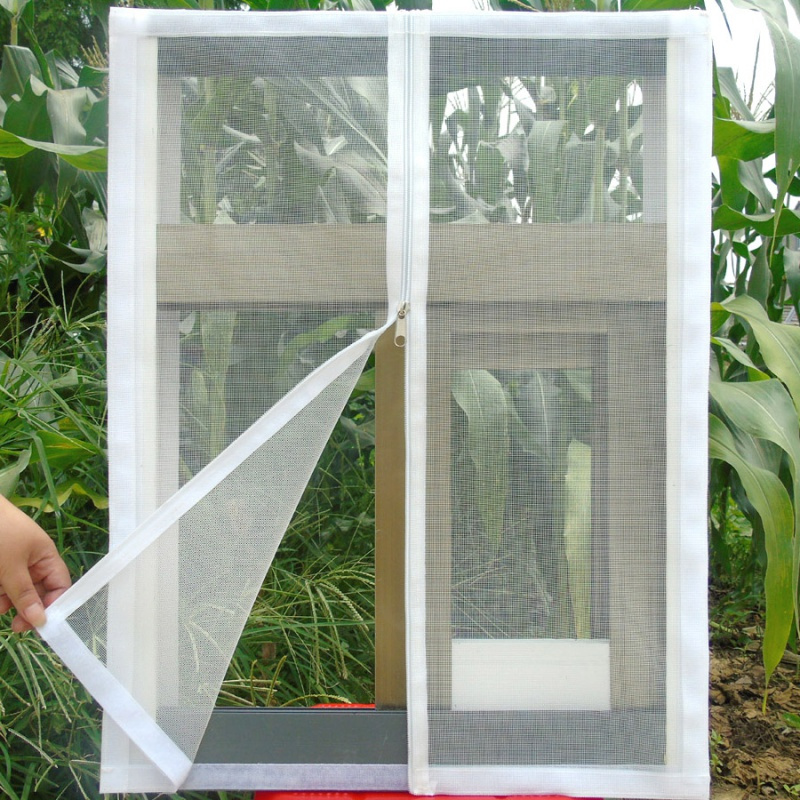
One of the primary benefits of removing window screens in winter is the increase in natural light and heat. Window screens can block a significant amount of sunlight from entering your home. During the colder months, every bit of sunlight helps to warm your home naturally, reducing the reliance on heating systems. More sunlight streaming through your windows can create a warmer and more inviting atmosphere, making your home feel cozier and brighter.
Prevent Snow and Ice Damage
Winter weather can be harsh, with snow, ice, and freezing temperatures posing a threat to your home. Window screens can trap snow and ice against the window, which can cause damage over time. The weight of the accumulated snow and ice can strain the screen material and the window frame, potentially leading to warping, tearing, or other forms of damage. By removing the screens, you eliminate this risk and protect your windows from the damaging effects of winter weather.
Reduce Moisture and Condensation
Moisture buildup between the window and the screen is a common issue during winter. This trapped moisture can lead to condensation on the windows, which can promote the growth of mold and mildew. Mold and mildew not only pose health risks but can also damage your window frames and sills. Removing the screens allows better airflow around the windows, reducing moisture buildup and minimizing the risk of mold and mildew growth.
Ease of Maintenance
Cleaning windows is a much easier task without screens in the way. During winter, dirt and grime can accumulate on your windows, obstructing your view and reducing the amount of natural light entering your home. With the screens removed, you can easily clean the windows inside and out, ensuring they stay clear and bright throughout the winter. This can be especially important during the shorter days of winter when every bit of sunlight is valuable.
Prevent Obstruction of Views
Winter landscapes can be beautiful, with snow-covered trees, clear blue skies, and crisp, frosty mornings. Window screens can obstruct your view of these picturesque scenes. Removing the screens allows you to enjoy the winter scenery without any hindrance, making your home feel more connected to the outside world. Whether you’re watching the snowfall or simply enjoying the view, unobstructed windows enhance your experience of winter’s beauty.
Extend Screen Life
Window screens are designed to withstand the elements, but prolonged exposure to harsh winter conditions can shorten their lifespan. Snow, ice, and freezing temperatures can cause the screen material to become brittle and prone to damage. By removing the screens during winter, you protect them from these harsh conditions, helping to extend their life. Proper storage in a dry, safe place ensures that your screens will be in good condition when you reinstall them in the spring.
Enhance Energy Efficiency
Windows play a crucial role in a home’s energy efficiency. During winter, properly sealed and insulated windows help keep the warm air inside and the cold air outside. Removing window screens can contribute to better energy efficiency by reducing potential drafts and improving the performance of your windows. Without screens in place, it’s easier to ensure that your windows are properly sealed, which can help lower your heating bills and create a more comfortable indoor environment.
Facilitate Emergency Exits
In the event of an emergency, such as a fire or the need to evacuate your home quickly, having unobstructed windows can be crucial. Window screens can slow down or hinder escape efforts, especially if they are difficult to remove or damaged. By removing the screens during winter, you ensure that your windows are easily accessible and can be used as emergency exits if needed.
Considerations for Removing Window Screens
While removing window screens offers many benefits, it’s important to do so thoughtfully and with proper precautions. Here are some considerations to keep in mind:
- Storage: Store your window screens in a clean, dry place to protect them from damage. Avoid stacking heavy items on top of them to prevent bending or warping.
- Labeling: Label your screens to remember which windows they belong to. This will make reinstallation easier in the spring.
- Inspection: Take the opportunity to inspect your screens for any damage. Repair or replace any screens that are torn or damaged before storing them.
- Timing: Remove the screens before the first heavy snowfall or when you start to see consistent freezing temperatures.